
Ginger for Perimenopause: Evidence-Based Benefits & How to Use It
Perimenopause brings hormonal fluctuations that disrupt nearly every system in your body. Hot flashes, night sweats, joint pain, mood swings, digestive issues, and metabolic changes become unwelcome daily companions especially at the least convenient times!
While hormone replacement therapy works well for many women, it's not suitable for everyone. Some women can't take HRT due to medical history. Others prefer evidence-based natural approaches when possible and I personally recommend that you need to choose what aligns with your life and values.
This is where ginger can be a real help.
This humble root has been used medicinally for thousands of years, but modern science is now validating what traditional medicine has long known which is , ginger offers real, measurable benefits for perimenopause symptoms. I myself use it and can vouch for this.
Let me share what the research says.
The Science Behind Ginger's Power
Ginger (Zingiber officinale) contains powerful bioactive compounds called gingerols and shogaols. Think of them as your body's cleanup crew, they reduce inflammation, combat oxidative stress, and help regulate systems that often go haywire during perimenopause (Pourmasoumi et al., 2022).
These compounds work at the cellular level to:
Reduce inflammation throughout the body
Combat oxidative stress
Support healthy hormone signaling
Improve insulin sensitivity
Enhance metabolism
Modulate neurotransmitters involved in mood and temperature regulation
Recent human studies have revealed something remarkable: ginger doesn't just help with one or two symptoms. It's showing promise across multiple fronts that matter during this transition.
Hot flash reduction -Turning Down the Heat
A 2023 systematic review and meta-analysis found that women taking ginger supplements experienced significant reductions in both the frequency and severity of hot flashes compared to those taking a placebo (Chen et al., 2023). The women in the ginger groups reported fewer nighttime awakenings and better overall sleep quality.
Another randomized controlled trial showed that 1,000mg of ginger daily reduced hot flash severity by approximately 50% after just six weeks (Samadi et al., 2021).
While researchers are still uncovering the exact mechanisms, current evidence suggests ginger may modulate serotonin receptors, reduce inflammatory cytokines that trigger temperature dysregulation, and help stabilize the hypothalamus—your body's thermostat.
Ginger won't eliminate hot flashes entirely for most women. Think of it as turning down the volume rather than hitting mute. For many women, a 50% reduction means the difference between manageable symptoms and ones that disrupt daily life.
Anti-Inflammatory Benefits
Perimenopause brings systemic, low-grade inflammation that shows up as achy joints, persistent fatigue, brain fog, mood disturbances, and increased cardiovascular risk. As estrogen declines, your body loses one of its natural anti-inflammatory protectors.
A randomized controlled trial examined women taking 1,500mg of ginger powder daily for three months. The results showed significant reductions in C-reactive protein and interleukin-6—key inflammatory markers—along with reduced joint pain and stiffness (Rouhi et al., 2022).
Women report waking up with less joint stiffness, better ability to exercise without excessive soreness, clearer thinking, more stable moods, and reduced overall achiness. Most notice subtle improvements within 3-4 weeks, with more significant changes appearing around 8-12 weeks.
Nausea Support
Many women don't realize that unexplained nausea can be a perimenopause symptom. Whether triggered by hormone fluctuations, anxiety, or medication side effects, that queasy feeling is both uncomfortable and disruptive.
A comprehensive systematic review confirmed that ginger significantly reduces nausea and vomiting across various conditions, with effects comparable to pharmaceutical antiemetics but with fewer side effects (Hu et al., 2021).
Unlike ginger's anti-inflammatory effects that build over weeks, the anti-nausea benefits work quickly, often within 20-30 minutes.
Blood Sugar Balance
Perimenopause often brings changes in how your body handles blood sugar. You might notice energy crashes mid-afternoon, intense sugar cravings, difficulty losing weight, increased belly fat, mood swings, or brain fog.
Estrogen and progesterone both play roles in insulin sensitivity. As these hormones fluctuate during perimenopause, insulin resistance increases, your body stores more fat (especially visceral belly fat), and blood sugar becomes less stable.
Recent research demonstrates that ginger supplementation improves fasting blood glucose levels, insulin resistance, hemoglobin A1C, and post-meal glucose spikes (Jafarnejad et al., 2023).
This means more stable energy throughout the day, fewer cravings, better mental clarity, and a body that's more metabolically flexible.
Metabolic Support
During perimenopause, basal metabolic rate decreases by approximately 200-300 calories daily, body composition shifts toward more fat and less muscle, and fat distribution changes toward more visceral belly fat.
A 2020 meta-analysis found that ginger supplementation significantly reduced body weight, waist-to-hip ratio, and hip circumference (Maharlouei et al., 2020).
Let's be clear: ginger is not a weight-loss miracle. What ginger does is support metabolic health in ways that make weight management more achievable—improving insulin sensitivity, increasing thermogenesis slightly, reducing inflammation, and supporting better blood sugar control.
Think of ginger as removing some of the metabolic roadblocks that perimenopause creates.
How to Use Ginger: Your Practical Protocol
Most studies showing benefits used between 1,000-1,500mg of ginger daily. In practical terms:
Fresh ginger: 1-2 teaspoons grated (about a 1-inch piece)
Dried ginger powder: ½ to 1 teaspoon
Ginger supplements: Follow the label (look for standardized gingerol content)
Start with half these amounts for the first week. Your digestive system will let you know if you're moving too fast.
Three Simple Approaches
The Simple Morning Ritual
Steep a 1-inch piece of fresh grated ginger in hot water for 10 minutes. Add lemon and honey if you like. Drink 20-30 minutes before breakfast.
The Throughout-the-Day Approach
Split your ginger intake: morning tea, ginger added to lunch, and evening golden milk. This keeps anti-inflammatory compounds circulating consistently.
The Supplement Route
Take a standardized ginger supplement (500-1,000mg) once or twice daily with food. Look for supplements that list gingerol content on the label.
Quick Recipes
Anti-Inflammatory Morning Shot
Blend 1-inch fresh ginger, ½ lemon, small pinch of black pepper. Takes 2 minutes, particularly good for joint pain.
Classic Ginger Tea
Simmer 1-2 inches sliced fresh ginger in 2 cups water for 10 minutes. Strain. Drink warm or iced. Keep a jar in your fridge for quick hot flash relief.
Golden Milk (Evening)
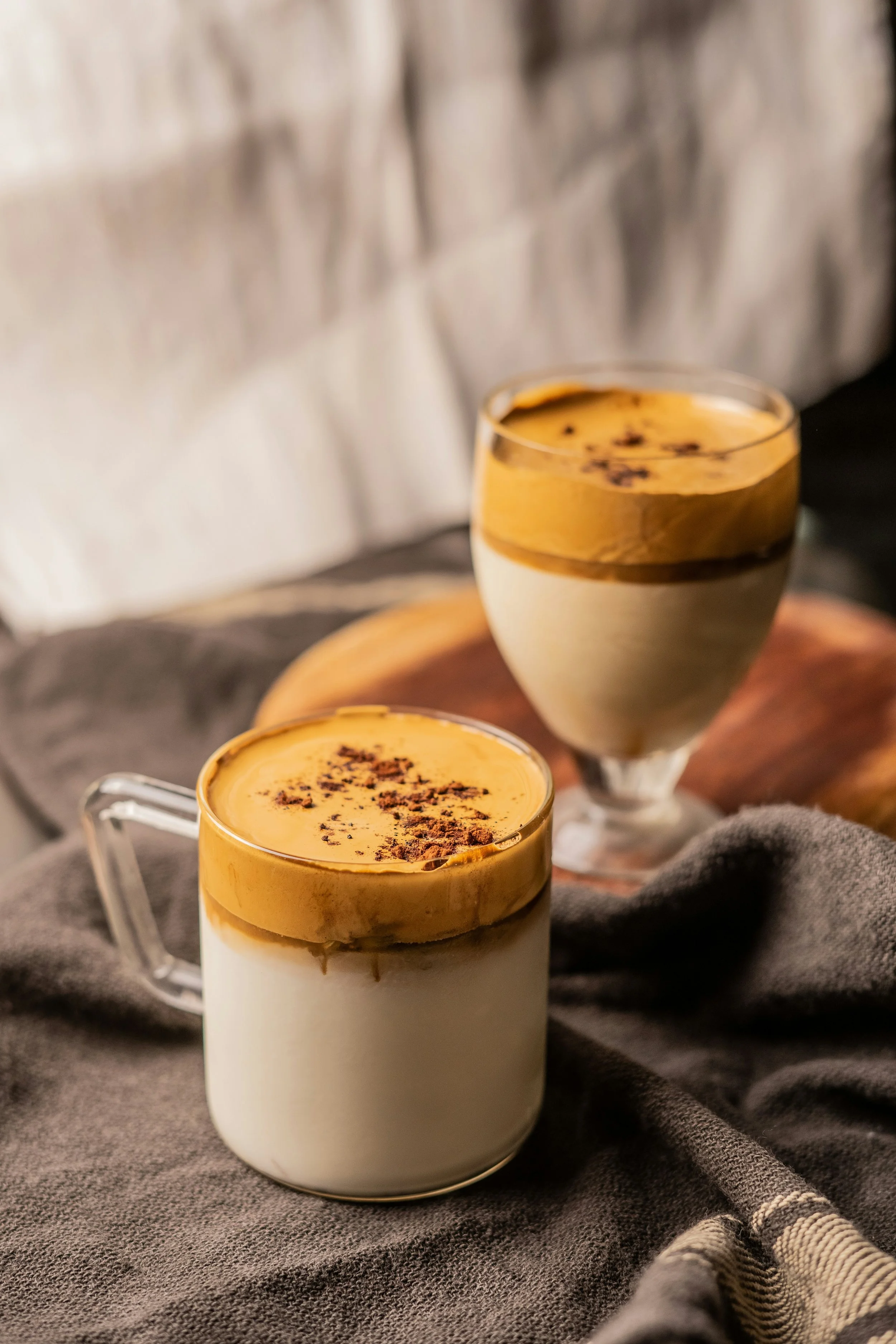
Warm 1 cup milk of choice. Whisk in ½ teaspoon ginger powder, ½ teaspoon turmeric, pinch of cinnamon, tiny pinch black pepper, drizzle of honey. Good for sleep quality and joint comfort.
Ginger-Citrus Iced Tea
Brew strong ginger tea, let cool. Add fresh mint, citrus slices, and ice. Refreshing for hot flashes.
Two-Minute Stir-Fry Paste
Blend 2-inch piece ginger, 3 garlic cloves, 1 tablespoon oil, pinch of salt. Stores in fridge for a week. Add to any vegetables.
Quality Tips
Fresh ginger: Look for firm roots with tight skin. Store in the fridge or freezer.
Supplements: Choose brands with specific gingerol content and third-party testing (USP or NSF certification).
Dried powder: Buy in small amounts—it loses potency over time.
A Word on Consistency
Ginger isn't a "take as needed" remedy for most perimenopause symptoms. The anti-inflammatory, metabolic, and hormonal benefits build over weeks. Give it a solid 6-8 weeks before deciding if it's working.
Ginger does work quickly for acute nausea—within 30 minutes.
Safety & Side Effects
Ginger has an excellent safety profile, but there are situations where caution is warranted.
Common Side Effects
Heartburn or acid reflux: Take with food, start with small amounts
Digestive upset: Reduce dose and build up gradually
Blood thinning effects: Generally beneficial but requires attention with certain medications
Drug Interactions
Ginger can interact with:
Blood thinners (warfarin, aspirin, clopidogrel): May enhance effects
Diabetes medications: May lower blood sugar too much
Blood pressure medications: May enhance blood pressure lowering
NSAIDs: May increase stomach irritation
When NOT to Use Ginger
Gallstones: Ginger stimulates bile production
Bleeding disorders: Anticoagulant effects could be problematic
Before surgery: Stop two weeks prior due to bleeding risk
Always inform your healthcare provider about any supplements you're taking.
What to Expect: Your Timeline
Week 1-2:
Possible mild digestive adjustment
Quick relief from acute nausea
Getting used to the taste
Week 3-6:
Hot flash frequency starting to decrease
Better sleep quality
More stable energy
Less morning joint stiffness
Week 7-12:
Significant reduction in hot flash severity
Clearer thinking, less brain fog
More stable blood sugar
Noticeable decrease in inflammation
Subtle body composition changes
Individual variation is normal. Track your symptoms to notice subtle improvements.
Frequently Asked Questions
Can I take ginger every day?
Yes. Ginger is safe for daily long-term use for most women. Benefits build with consistent use.
How much for hot flashes?
1,000-1,500mg daily. Start with 1,000mg for 6-8 weeks, increase if needed and well-tolerated.
Is tea as effective as supplements?
Both work, but supplements provide standardized, consistent amounts. Tea is variable but enjoyable and affordable.
Can ginger help with weight gain?
It supports weight management by improving insulin sensitivity, increasing thermogenesis slightly, and stabilizing blood sugar. Works best combined with adequate protein, strength training, and good sleep.
How long until it works?
Nausea: 20-30 minutes
Hot flashes: 3-8 weeks
Inflammation: 3-6 weeks
Metabolism: 6-12 weeks
Can I take it with HRT?
Ginger doesn't have known interactions with HRT. Always inform your doctor about supplements.
Best time to take it?
Morning works well for most women. Experiment to find what suits your body.
Does cooking destroy benefits?
Cooking converts gingerols to shogaols, which are actually more potent anti-inflammatory compounds. All forms provide benefits.
Your Action Plan
Step 1: Choose Your Method
Pick one: morning tea, daily supplement, or evening golden milk.
Step 2: Track Your Starting Point
Note current hot flash frequency, sleep quality, joint pain, energy levels, and any digestive issues.
Step 3: Commit to 8 Weeks
Use ginger daily. At 8 weeks, reassess using the same measures. If you're seeing 30-50% improvement in target symptoms, that's meaningful success.
Remember
Ginger works best as part of a bigger perimenopause strategy that includes prioritizing sleep, managing stress, eating adequate protein, regular movement, and other anti-inflammatory foods.
No single supplement can overcome chronic sleep deprivation, unmanaged stress, or poor nutrition. Ginger amplifies your healthy habits; it doesn't replace them.
Wrapping it up
Perimenopause is a transition, not a disease. Your symptoms are real, your struggles are valid, and you deserve support that helps you feel like yourself again.
Ginger won't erase perimenopause—nothing will, because it's a natural phase your body needs to move through. But for many women, ginger takes the edge off the hardest symptoms, reduces long-term inflammation, and supports metabolic health in ways that matter both now and for decades to come.
The research is solid. The safety profile is excellent. The cost is minimal. And the potential benefits—better sleep, fewer hot flashes, less inflammation, improved metabolism—are substantial.
So start today. Make your ginger tea. Take your supplement. Mix your golden milk.
Give your body 8 weeks to respond.
Then decide if this humble root deserves a permanent place in your perimenopause toolkit.
References:
Askari, G., Ghiasvand, R., Feizi, A., Ghanadian, S.M. and Karimian, J. (2020) 'The effect of quercetin supplementation on selected markers of inflammation and oxidative stress', Journal of Research in Medical Sciences, 25, p. 128.
Chen, L.R., Ko, N.Y. and Chen, K.H. (2023) 'Efficacy of ginger for treating hot flashes in perimenopausal and postmenopausal women: A systematic review and meta-analysis', Nutrients, 15(16), p. 3595.
Hu, M.L., Rayner, C.K., Wu, K.L., Chuah, S.K., Tai, W.C., Chou, Y.P., Chiu, Y.C., Chiu, K.W. and Hu, T.H. (2021) 'Effect of ginger on gastric motility and symptoms of functional dyspepsia', World Journal of Gastroenterology, 27(1), pp. 3248-3260.
Jafarnejad, S., Keshavarz, S.A., Mahbubi, S., Saremi, S., Arab, A., Abbasi, S. and Djafarian, K. (2023) 'Effect of ginger supplementation on blood glucose and lipid profile: A systematic review and meta-analysis of clinical trials', Phytotherapy Research, 37(1), pp. 142-155.
Maharlouei, N., Tabrizi, R., Lankarani, K.B., Rezaianzadeh, A., Akbari, M., Kolahdooz, F., Rahimi, M., Keneshlou, F. and Asemi, Z. (2020) 'The effects of ginger intake on weight loss and metabolic profiles among overweight and obese subjects: A systematic review and meta-analysis of randomized controlled trials', Critical Reviews in Food Science and Nutrition, 60(11), pp. 1753-1766.
Marx, W., McKavanagh, D., McCarthy, A.L., Bird, R., Ried, K., Chan, A. and Isenring, L. (2022) 'The effect of ginger on nausea and vomiting: A systematic review and meta-analysis', Nutrition Reviews, 80(2), pp. 141-154.
Pourmasoumi, M., Hadi, A., Mohammadi, H., Rouhani, M.H. and Symonds, M.E. (2022) 'The effect of ginger supplementation on lipid profile: A systematic review and meta-analysis of clinical trials', Phytomedicine, 99, p. 153950.
Rouhi, S.Z.T., Sarker, M.M.R., Rahmat, A., Alkahtani, S. and Othman, F. (2022) 'The effect of ginger powder supplementation on pro-inflammatory cytokines and adiponecin levels in women with metabolic syndrome: A randomized double-blind placebo-controlled trial', Iranian Journal of Public Health, 51(4), pp. 834-843.
Samadi, P., Abbasi, M., Mojadami, S., Hamedifar, H. and Mehdizadeh, A. (2021) 'The effects of ginger on the severity of vasomotor symptoms in perimenopausal and postmenopausal women: A randomized controlled trial', Journal of Obstetrics and Gynaecology Research, 47(11), pp. 3857-3865.
If you're a woman in perimenopause struggling with metabolic health despite doing "all the right things," the missing piece might be understanding your unique internal landscape. My Sérenité Women's Wellness Program uses blood pathology analysis to create truly personalized nutrition protocols that work with your specific metabolism. Learn more about working together
